← Back to Athanasius of Alexandria
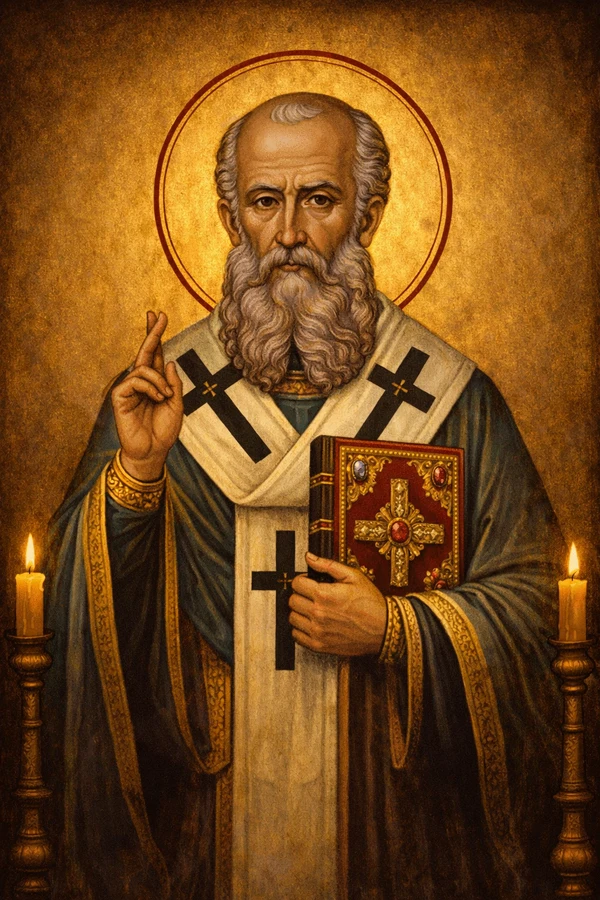
ATHANASIUS OF ALEXANDRIA · 4TH CENTURY · ALEXANDRIAN
On the Incarnation
Summary and key themes of this work
The first great systematic defense of the Incarnation in Christian theology, written before Athanasius was thirty. The argument is breathtakingly simple: humanity was created in the image of God but fell into corruption and death. No creature could reverse this; only the Creator could restore what he had made. Therefore the Word — through whom all things were made — took on human flesh, lived a human life, and died a human death, so that in his resurrection humanity might be raised to the divine life it was always meant to share. C.S. Lewis, who wrote the introduction to a popular English edition, called it 'a masterpiece' and recommended it as the first book any Christian should read after the New Testament. The work is short, luminous, and as radical today as when it was written: God became human so that humans might become God.
On the Incarnation is a central text in the Christian mystical tradition, offering insight into the spiritual life, the nature of divine union, and the transformation of the soul.
This work is central to the Alexandrian tradition, shaping the understanding of the spiritual life and the soul's journey toward union with God.
Selected Passages
He became what we are that he might make us what he is.
The Word was not diminished by receiving a body, but rather he deified what he put on.
For the Son of God became man so that we might become God.